
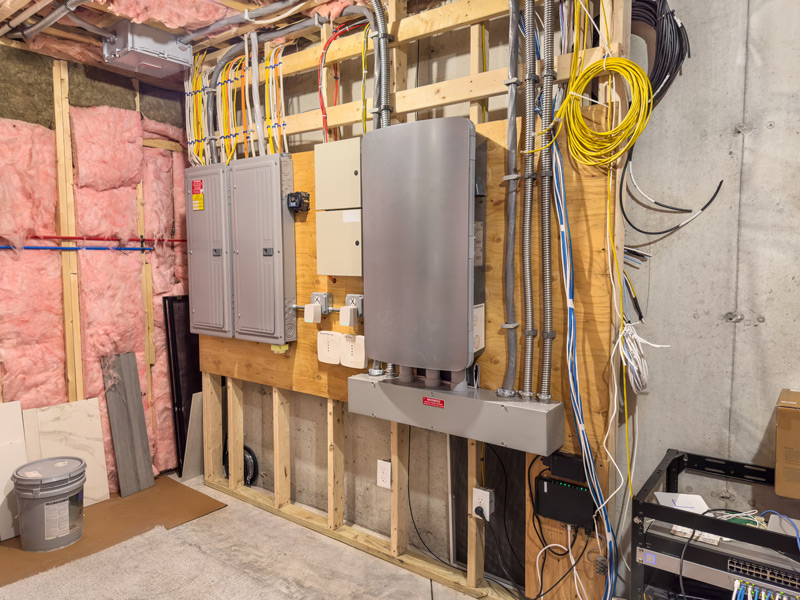
Understanding Winnipeg’s Basement Electrical Requirements
The foundation is formed by the Canadian Electrical Code, but specific amendments are added by Manitoba that affect basement renovations. These requirements are discovered by most homeowners after starting their projects. And expensive delays are created by that. Basements are treated differently by the code because of moisture exposure and egress limitations. Proper clearances are needed by electrical panels. Specific protection is required by circuits. Even outlet height gets regulated when you’re below grade.
Permit Requirements and Process
Most basement renovation work requires electrical permits in Winnipeg. Permit requirements are triggered by adding new circuits, installing outlets, or upgrading panels. Approval typically takes 3-5 business days for the application process. But project delays are prevented by planning ahead, I suppose. Permits for “simple” work are often skipped by some homeowners. That approach usually backfires during home sales or insurance claims.
GFCI Protection Standards
All basement receptacles in Winnipeg must have ground fault circuit interrupter protection. Recent code updates strengthened this requirement. The protection can be provided at the panel or individual outlets; GFCI devices must be tested monthly to ensure proper operation. This protection is made critical by moisture in basements for preventing electrical shock. Yet adequate GFCI coverage in basement areas is lacking in many older homes.
Circuit Planning and Load Calculations
Careful circuit planning is needed by basement electrical systems to meet code requirements. Lighting circuits should be separate from receptacle circuits where possible. Future equipment like sump pumps or workshop tools must be accounted for in the electrical load calculations. Plus, additional basement circuits might require the main panel capacity to be upgraded. Load calculations can be performed by an electrician in Winnipeg to determine if panel upgrades are necessary.
Moisture and Vapor Barrier Considerations
Vapor barriers behind them are required by electrical boxes in exterior basement walls. Moisture infiltration that could cause electrical failures is prevented by this. The barrier installation must be done before drywall installation; proper sealing around boxes prevents air leakage and condensation issues. From what we’ve seen, this step gets overlooked frequently during DIY renovations. The consequences show up months later as corrosion or electrical problems. Hard to explain sometimes.
Inspection Requirements and Timeline
Electrical inspections at rough-in and final stages for basement work are required by Winnipeg. The rough-in inspection happens before insulation and drywall installation. Final inspection occurs after all electrical work is complete; scheduling inspections requires 48-hour notice in most cases. Corrections and re-inspection fees are meant by failed inspections, to be fair. Costly delays are prevented by planning your renovation timeline around inspection availability.
Working with Licensed Electricians
Professional expertise is often required by complex basement electrical work to ensure code compliance. Local code requirements and inspection processes are understood by licensed electricians. Permit applications can be handled by them and coordination with city inspectors managed. Faster approvals and fewer complications usually result from the investment in professional installation. When you’re ready to move forward with your basement electrical project, a free quote can be provided by Expert Electric to help you understand the scope and requirements.
Mini-FAQ
Q: Do I need a permit for adding basement outlets? Look, permits are required in Winnipeg for any new electrical circuits or outlets. Even moving existing outlets. Electrical work is taken seriously by the city because basements present unique safety challenges. That still surprises people.
Q – Can I do basement electrical work myself? Electrical work on their own properties is allowed for homeowners in Manitoba, but it must be inspected. Fair point though – moisture considerations and code complexities are involved in basement wiring that trip up many DIYers.
Q: What’s different about basement electrical codes? Funny enough, stricter requirements than upper floors are imposed on basements. GFCI protection is mandatory, and special rules apply to outlet heights and moisture protection. Everything is changed by the concrete and earth contact.
Q: How long do electrical inspections take? Inspections are usually scheduled within 2-3 business days in Winnipeg. The actual inspection takes 30-45 minutes depending on scope. Delays and re-inspection fees are caused by failed inspections.