
Assessing Your Current Electrical Panel
The heart of your home’s power distribution system is served by your electrical panel. Some extra capacity is designed into most residential panels, but older systems can be pushed beyond their limits by adding an EV charger. Many homes built before 1990 have 100-amp service panels that were adequate for their time in Winnipeg. However, 200-amp service is often required by modern households with multiple appliances, air conditioning, and now electric vehicles. A load calculation can be performed by a qualified electrician to determine if sufficient capacity is had by your current panel. Your existing electrical usage and the additional demand from EV charging are considered by this calculation.
Understanding EV Charger Power Requirements
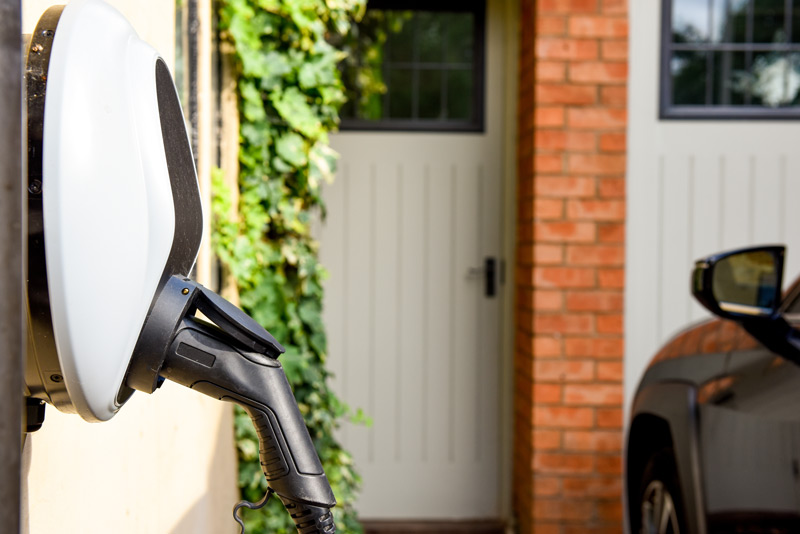
Different power levels are come in by electric vehicle chargers, but Level 2 chargers for daily use are installed by most homeowners. 32-40 amps at 240 volts are typically drawn by these units, similar to an electric dryer or large air conditioning unit. Both the charger’s output and your vehicle’s onboard charging capacity are depended on by the charging speed. Up to 48 amps can be accepted by some newer EVs; this means faster charging times but higher electrical demands. From what we’ve seen, 40-amp charging is found adequate for overnight charging needs by most Winnipeg homeowners.
Panel Upgrade Considerations
An upgrade becomes necessary before EV charger installation when your existing panel lacks capacity. The main electrical panel is replaced by panel upgrades, often service line upgrades from Manitoba Hydro are required as well. 1-2 days are typically taken by the process and temporary power disconnection is required. Additional electrical work beyond just the panel upgrade may be needed by older homes with knob and tube wiring. In many cases, an opportunity to address other electrical issues throughout the home is presented by this. Improved electrical safety and capacity for future needs are paid off through the investment.
Wiring and Circuit Installation
New wiring from the electrical panel to the charging location is required for installing a dedicated circuit for your EV charger. The amperage and distance are depended on by the wire gauge, but 8 AWG or 6 AWG copper wire are used by most installations. Proper conduit protection is required, especially for outdoor installations or garage locations. Appropriate overcurrent protection and ground fault protection as required by electrical codes must be included by the circuit. Trenching for underground wiring is required by some installations, particularly when the charger location is far from the main panel.
Safety and Code Compliance
Fires and electrocution hazards are prevented by electrical safety codes existing. The Canadian Electrical Code and local Winnipeg electrical bylaws must be complied with by EV charger installations. Proper grounding, GFCI protection, and appropriate disconnect switches are included by key safety requirements. Clearance requirements from windows, doors, and other structures must be met by the charger location. All safety codes are followed and proper permits are obtained through professional installation being ensured. That’s usually where the complexity involved is realized by homeowners, to be fair.
Choosing Installation Location
Both convenience and installation costs are affected by the charger location. Weather protection and security for the charging equipment are offered by garage installations, which are most common. However, weatherproof chargers rated for Canadian climates make outdoor installations possible. The distance from your electrical panel should be considered, as material costs are increased by longer wire runs. Easy vehicle access should be allowed by the location while electrical code clearance requirements are met. Multiple charging locations for households with multiple EVs are installed by some homeowners.
Working with Professional Electricians
Expertise in electrical systems, local codes, and permit requirements are required by EV charger installation. Your electrical system will be assessed by a qualified electrician, necessary upgrades will be recommended, and permit applications will be handled. Charger selection based on your vehicle and electrical capacity can also be advised on by them. Testing and commissioning to ensure safe operation are included by professional installation. When you’re ready to move forward with your EV charger installation, a comprehensive assessment can be provided by Expert Electric and a free quote for your specific needs can be gotten.
Mini-FAQ:
Q: Can my existing electrical panel handle an EV charger? Look, it depends on your panel’s age and current load. Additional high-amperage circuits are struggled with by most panels built before 2000. Worth checking.
Q – What size breaker do I need for EV charging? Fair point to ask upfront. 40-50 amp breakers are needed by most residential EV chargers, though 30 amps work with some smaller units. The exact requirements will be calculated by your electrician based on your specific charger model.
Q: Do I need permits for EV charger installation? Funny enough, yes. Electrical permits are required by Winnipeg for most EV charger installations since they’re considered major electrical work. 1-2 weeks are typically taken by the permit process. That still surprises people.