
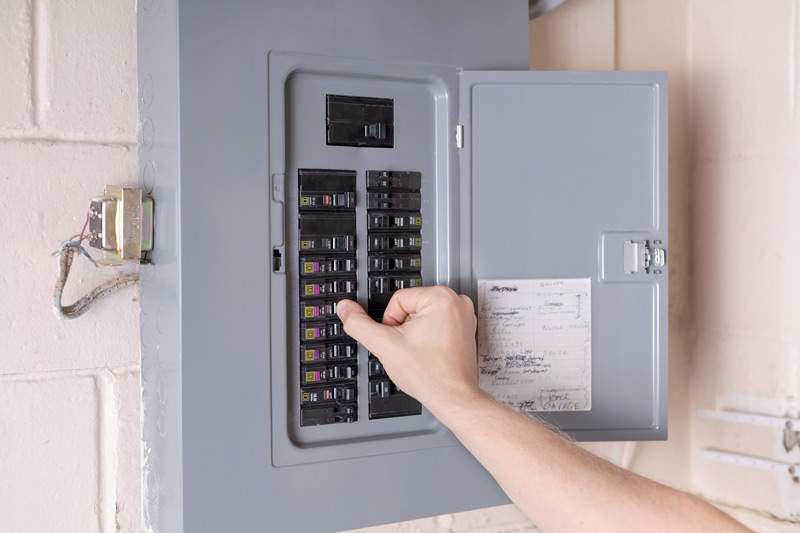
Understanding Why Breakers Trip
Automatic switches that cut power when electrical conditions become unsafe are what circuit breakers function as. Three primary hazards are detected by their engineering: overcurrent conditions, short circuits, and ground faults. These issues are encountered by most Winnipeg homeowners during winter months when electrical demand is increased by heating systems and space heaters. Heat buildup or magnetic fields that indicate dangerous current levels are what the breaker’s internal mechanism responds to.
Identifying Electrical Overloads
When the total amperage exceeds the breaker’s rating, overloaded circuits develop. About 12 amps of continuous load can be safely handled by a typical 15-amp circuit, but this limit is unknowingly exceeded by many homeowners. During meal preparation when multiple appliances operate simultaneously, kitchen circuits are particularly vulnerable. Redistributing electrical loads across different circuits rather than upgrading the entire system is what the solution involves, in many cases.
Recognizing Short Circuit Conditions
Immediate, dangerous conditions that require professional intervention are created by short circuits. When electrical current takes an unintended path, often through damaged wire insulation or faulty connections, they occur. Hundreds of amps within milliseconds can be reached by the resulting current surge. Outdoor wiring can be damaged by Winnipeg’s freeze-thaw cycles, creating short circuit conditions that aren’t immediately visible. Serious problems are indicated by burned smells or scorch marks around outlets.
Ground Fault Issues in Older Homes
When electricity flows through unintended paths, potentially through water or a person’s body, ground fault conditions happen. These minute current differences are designed to be detected by GFCI breakers, which shut off power within milliseconds. Adequate GFCI protection may be lacked by older Winnipeg homes, particularly in basements, bathrooms, and outdoor areas. Ground fault conditions that weren’t apparent during dry periods are often triggered by moisture infiltration during spring melts. Interesting how that works.
When DIY Troubleshooting Becomes Dangerous
Tripped breakers can be safely reset by homeowners, and obvious overloads can be checked for, but clear limits exist for electrical troubleshooting. Professional expertise and specialized equipment are required for removing panel covers, testing circuits with multimeters, or attempting wire repairs. Licensed electricians are mandated by Manitoba’s electrical code for most repairs beyond basic maintenance. Electrocution hazards or fire risks can be created by one wrong move.
Professional Diagnosis and Repair Solutions
Thermal imaging cameras, oscilloscopes, and other diagnostic tools are used by licensed electricians to identify problems that aren’t visible during basic inspection. Whether issues stem from faulty breakers, damaged wiring, or inadequate circuit capacity can be determined by them. Electrical system upgrades that address multiple issues simultaneously are often beneficial for many Winnipeg homes. Underlying problems that could have caused serious damage if left unaddressed are often revealed by professional assessment.
Preventing Future Breaker Problems
Most breaker issues can be prevented by regular electrical maintenance before they develop into serious problems. Checking outlet temperatures, noting flickering lights, and monitoring circuit performance during peak usage periods is what this includes. Electrical inspections should be scheduled by Winnipeg homeowners every 5-10 years, particularly for homes built before 1980. Significantly less than emergency repairs or fire damage restoration is what proactive maintenance costs. Professional diagnosis and solutions can be provided by Expert Electric if frequent breaker trips are being experienced or electrical problems are suspected. Get a free quote today.
Mini-FAQ:
Q: How do I know if my circuit is overloaded? These warning signs should be looked for: lights dimming when appliances start, outlets feeling warm to touch, or multiple devices losing power simultaneously. The total amperage of devices on the circuit should be calculated. That usually reveals the problem.
Q – Can I just keep resetting a tripping breaker? A breaker that keeps tripping should never be repeatedly reset. The safety mechanism that’s protecting your home from electrical fires or electrocution is bypassed by this. Its job is being done by the breaker when it shuts off power.
Q: What’s the difference between a short circuit and an overload? Fair point. Too much current flowing through the circuit over time is what causes an overload to happen gradually. When hot and neutral wires touch directly, a short circuit occurs instantly, creating a massive surge. Far more dangerous conditions are created by short circuits.
Q – Should I upgrade my electrical panel? Panel upgrades are often beneficial for homes built before 1980, especially if frequent trips are being experienced or modern appliances are being used. Significant evolution has occurred in Winnipeg’s building codes over the decades. That still surprises people.