
Understanding Surge Protection Basics
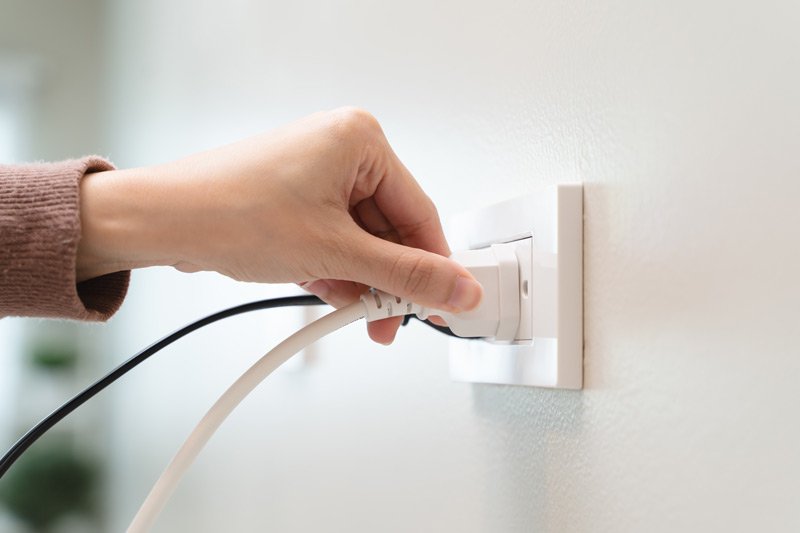
Power surges happen when voltage exceeds the standard 120 volts flowing to your outlets. In Winnipeg, these spikes commonly result from activity, utility grid operations, or equipment failures somewhere on the electrical network. Your sensitive electronics are designed for steady voltage; even brief spikes can damage internal components over time. Whole-home surge protectors are installed at your main panel to catch these surges before they spread throughout your house.
How the Technology Actually Works
Metal oxide varistors are contained within the surge protection device, acting like electrical pressure valves. Under normal conditions, they remain inactive while electricity flows normally to your circuits. When voltage spikes above safe levels, these components activate; a path for excess electricity to flow safely to ground is created. The process happens in microseconds. Most units can handle surges up to 40,000 amps, which covers the majority of residential surge events we see in Manitoba.
Installation Process and Requirements
Installation involves mounting the surge protector inside or adjacent to your main electrical panel. The device gets connected to the main breaker, and a dedicated ground connection is required for proper operation. Adequate grounding systems are found in most Winnipeg homes built after 1980; though older properties might need grounding improvements first. The work typically takes our electricians 2-3 hours, depending on panel accessibility and any necessary upgrades to meet current electrical codes.
Cost Analysis for Winnipeg Homeowners
Equipment costs range from $150 to $400 for quality residential units, with installation adding another $200 to $500 depending on complexity. Compare that to replacing a damaged furnace control board ($800), smart TV ($1,200), or home office equipment ($3,000+). Faster payback periods are often seen by building owners with multiple units given the higher value of protected equipment. The math usually works out favorably when potential insurance deductibles and replacement hassles are factored in.
Weather-Related Surge Risks in Manitoba
Frequent thunderstorms are brought by Winnipeg’s continental climate during summer months, creating numerous opportunities for surge induction. Even distant strikes can send voltage spikes through utility lines. Different challenges are brought by winter as utility equipment works harder in extreme cold, sometimes leading to grid fluctuations. Surge conditions are also created by power restoration after outages as electricity gets switched back on across neighborhoods. Interesting how that works.
Limitations and Realistic Expectations
External surges are handled effectively by whole-home protection but every possible voltage spike won’t be stopped. Internal surges from large appliances starting up still occur within your home’s wiring. Direct strikes to your house can overwhelm any protection system; these events are relatively rare though. The devices also wear down over time as surges are absorbed, eventually requiring replacement after 10-15 years of service.
Making the Investment Decision
The protection is found worthwhile by most homeowners given today’s electronics-heavy households. Consider your total investment in computers, entertainment systems, smart home devices, and appliance control boards. Factor in the inconvenience of replacing damaged equipment and potential data loss. Tenant disruption costs and liability concerns should be evaluated by building owners. For professional assessment of your specific situation and installation options, a free quote tailored to your property’s needs can be provided by Expert Electric.
FAQ
Q: How does whole-home surge protection actually work? The device gets wired directly into your main electrical panel. When voltage above normal levels is detected, that excess power gets redirected to the ground wire instead of flowing through your home’s circuits. Pretty straightforward concept.
Q – Do I still need individual surge protectors on my electronics? Fair point to ask. Big surges from outside sources are handled by whole-home protection, but smaller surges can still originate inside your home from appliances cycling on and off. A layered approach works best.
Q: What causes power surges in Winnipeg specifically? Look, several surge sources are created by our weather patterns. Strikes are obvious, but utility grid switching, transformer issues, and even large appliances in neighboring buildings can send spikes through the power lines. That still surprises people.