
Start With Your Electrical Panel
First attention during annual inspections is deserved by your main electrical panel. Rust spots, scorch marks, or any signs of moisture around the panel box should be looked for. Breakers should sit flush; they should feel firm when tested gently. Connections can be loosened over time by Winnipeg’s humidity changes, creating resistance and heat buildup.
Careful listening while standing near the panel is important. Nearly silent operation is normal. Loose connections or overloaded circuits are often indicated by buzzing, crackling, or humming sounds. A loose neutral wire was discovered by one homeowner on Corydon Avenue after intermittent buzzing was heard for weeks.
Check Every Outlet and Switch
Each room should be walked through and outlets tested systematically. Snugly fitting plugs without wobbling or falling out are what you want. Arcing is created by loose outlets, which generates heat and poses fire risks. Your hand should be pressed near each outlet; internal problems that need professional evaluation are suggested by any warmth.
Monthly testing using their built-in test buttons is required by GFCI outlets in bathrooms, kitchens, and basements. Electrocution in wet areas is prevented by these safety devices. Proper GFCI protection in required locations is lacked by many Winnipeg homes built before 1975.
Inspect Visible Wiring and Cords
Extension cords, appliance cords, and any visible house wiring should be examined for damage. Immediate hazards are indicated by cracked insulation, exposed copper, or burn marks. Pet damage is surprisingly common; cords behind furniture are sometimes chewed by cats and dogs.
Special attention should be paid to areas where wires pass through walls or floors. Wiring can be caused to shift and chafe against rough surfaces by settlement and temperature changes. The first signs of deterioration are often shown by basement and attic wiring.
Test Smoke and Carbon Monoxide Detectors
Life safety devices are included in electrical safety beyond wiring. Smoke detectors should be tested monthly; batteries should be replaced annually, even in hardwired units with battery backup. Limited lifespans are had by carbon monoxide detectors and should be replaced every 5-7 years.
Interconnected smoke detectors that communicate through house wiring are had by many Winnipeg homes. All units sound simultaneously when one detector activates. Proper communication between devices needs to be ensured by periodic testing of this system.
Look for Signs of Electrical Problems
Loose connections or overloaded circuits are often indicated by flickering lights. The problem might be isolated to one fixture; multiple rooms might be affected. Inadequate electrical capacity for your home’s current needs is suggested by dimming lights when large appliances start up.
Immediate investigation is required by burning smells without an obvious source. Hours before becoming visible are often spent smoldering by electrical fires. Your nose should be trusted, I suppose; trouble somewhere in your electrical system probably means that acrid smell.
Know When to Call Professionals
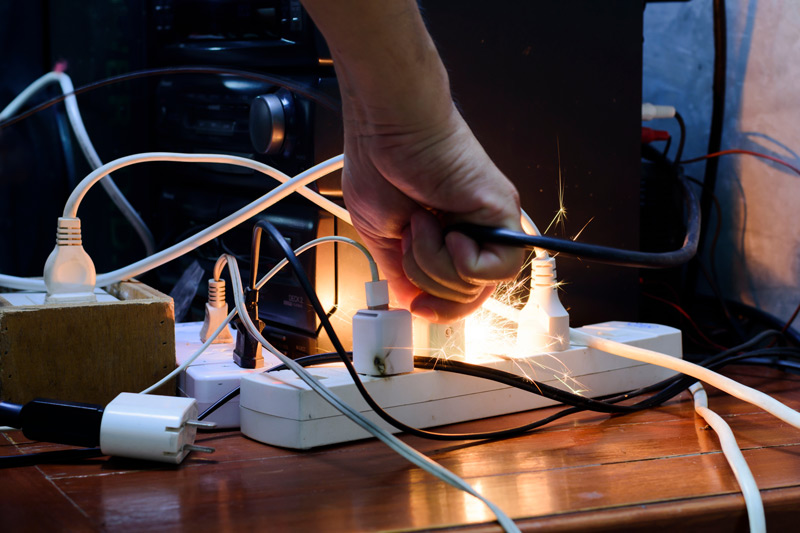
Professional diagnosis and repair are required by some electrical issues. Immediate calls to qualified electricians should be prompted by frequently tripping breakers, warm outlets, or any signs of sparking. DIY electrical work is restricted in Manitoba; insurance coverage is often voided by it.
Professional evaluation is needed by older Winnipeg homes with knob and tube wiring. Modern safety features are lacked by this outdated system and may not support today’s electrical loads. Complete home rewiring is typically involved in upgrading, but safety and property value are improved by the investment. A free quote tailored to your home’s specific needs can be provided by Expert Electric for comprehensive electrical inspections and professional repairs.
Mini-FAQ:
Q: How often should I check my electrical panel? Your panel should be looked at every few months, but a thorough annual inspection should be done. Rust, burn marks, or unusual sounds should be checked for. That clicking noise? Usually normal. Buzzing or crackling sounds are handled differently.
Q – What are the most dangerous electrical problems in older Winnipeg homes? The list is topped by knob and tube wiring, especially in homes built before 1950. Second place goes to overloaded circuits. Fair point about aluminum wiring from the 1960s-70s. That still surprises people.
Q: Can I do electrical inspections myself? Most homeowners can handle visual checks fine. Obvious problems like damaged outlets or exposed wires can be spotted by you. Anything behind walls requires professional testing.
Q – When should I call an electrician during my inspection? Funny enough, most people wait too long. Immediate calls should be made if warm outlets, burning smells, or sparking are found. These problems get worse quickly.