
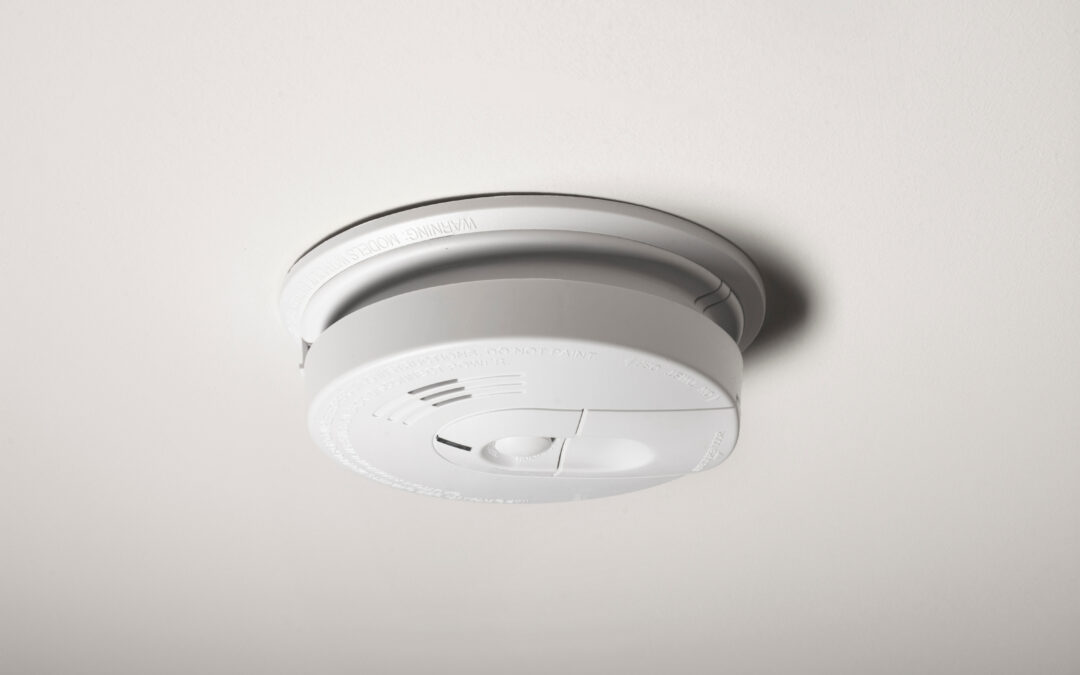
Understanding Code Requirements for Detection Systems
Building codes in Winnipeg specify where smoke and carbon monoxide detectors must be installed; the requirements have evolved over time, though. Hardwired units with battery backup are typically required by newer construction on every level of the home. Different standards may apply to older properties, though major renovations often trigger compliance updates. The framework is provided by the Manitoba Building Code, but specific requirements are sometimes added by local authorities. From what we’ve seen, gaps are discovered by many homeowners during home inspections or insurance reviews.
Wiring Basics for Interconnected Systems
A dedicated 15-amp circuit is used to connect hardwired smoke and CO alarms, usually with 14-gauge wire running between units. All devices are allowed to sound simultaneously when one detects danger by the interconnect wire. Up to 18 smoke alarms and 6 CO detectors can be handled by most systems on a single circuit. Running three-wire cable between units is involved in installation; the interconnect signal is served by the red wire. Operation during power outages is ensured by battery backup. These systems are recommended for professional installation, to be fair.
Strategic Placement for Maximum Protection
Smoke detectors work best when they’re installed on ceilings or high on walls. Areas near cooking appliances should be avoided since false alarms occur frequently there. Carbon monoxide detectors should be placed at breathing level, roughly 5 feet from the floor. Specific clearances from bathrooms, kitchens, and heating equipment are needed by both types. In many cases, adequate coverage is provided by combination units; more precise detection capabilities are offered by separate devices, though. Placement near sleeping areas is critical since early warning is needed by occupants during rest hours.
Common Installation Mistakes to Avoid
Many installations fail because devices are placed too close to interference sources. Proper power connections are often lacking. Nuisance alarms are often triggered by smoke alarms installed within 10 feet of cooking areas; this leads to disconnection by frustrated homeowners. Dangerous gas concentrations may not be detected effectively by CO detectors placed too high or too low. The safety benefit of simultaneous alerts is eliminated when interconnect wiring is frequently missed in DIY installations. Over time, these issues become apparent during testing or emergency situations. Interesting how that works.
Testing and Maintenance Requirements
Proper function of detection systems is ensured by monthly testing, while backup power capability is maintained by annual battery replacement. Battery maintenance is required by even hardwired units since power outages can occur during emergencies. All interconnected units should be activated by test buttons; proper signal transmission throughout the system is confirmed this way. Dust and debris that can interfere with sensors are removed by cleaning devices periodically. Compliance during inspections is helped by documentation of testing and maintenance. System operation can be verified by professional electricians during routine service calls.
Professional Installation Benefits
Local code requirements are understood by licensed electricians; proper circuit protection for detection systems is ensured by them. New devices can be integrated with existing electrical systems while code compliance is maintained. Testing of all interconnected units and verification of proper placement are typically included in professional installation. Ongoing maintenance services for commercial and residential detection systems are also provided by many Winnipeg electricians. When you’re ready to upgrade or install new smoke and carbon monoxide alarms, in a way, the full scope and cost of compliant installation can be understood by getting a free quote.
FAQ
Q: Do older homes need to upgrade to hardwired smoke detectors?
Look, it depends on your local code and any renovations being done. Battery-only units were acceptable in many older Winnipeg homes; major electrical work often triggers upgrade requirements, though. That still surprises people.
Q – Can I install these devices myself?
Fair point to ask. Basic battery units can be installed by homeowners, but hardwired systems require electrical work that’s typically handled by licensed professionals. Code compliance gets tricky with DIY installations.
Q: How often should smoke and CO alarms be replaced?
Most smoke detectors are designed to last 10 years, while CO detectors typically need replacement every 5-7 years. Funny enough, the manufacturing date is usually printed on the back of the unit.
Q: Where exactly should CO detectors be placed?
They’re most effective at breathing level, roughly 5 feet from the floor. Avoid placing them directly above fuel-burning appliances or in areas with high humidity. Installation near sleeping areas is usually required by code.