
Understanding the Real Risks
Obvious dangers like stairs and sharp corners are focused on by most parents. Electrical hazards are often overlooked until something happens, though. Those little holes in the wall naturally attract curious children, and no protection against small fingers or metal objects is provided by standard outlets. The statistics are sobering; electrical injuries are seen regularly in emergency rooms across Canada, with most occurring in homes that were considered adequately childproofed by parents.
Outlet Covers: The Traditional Approach
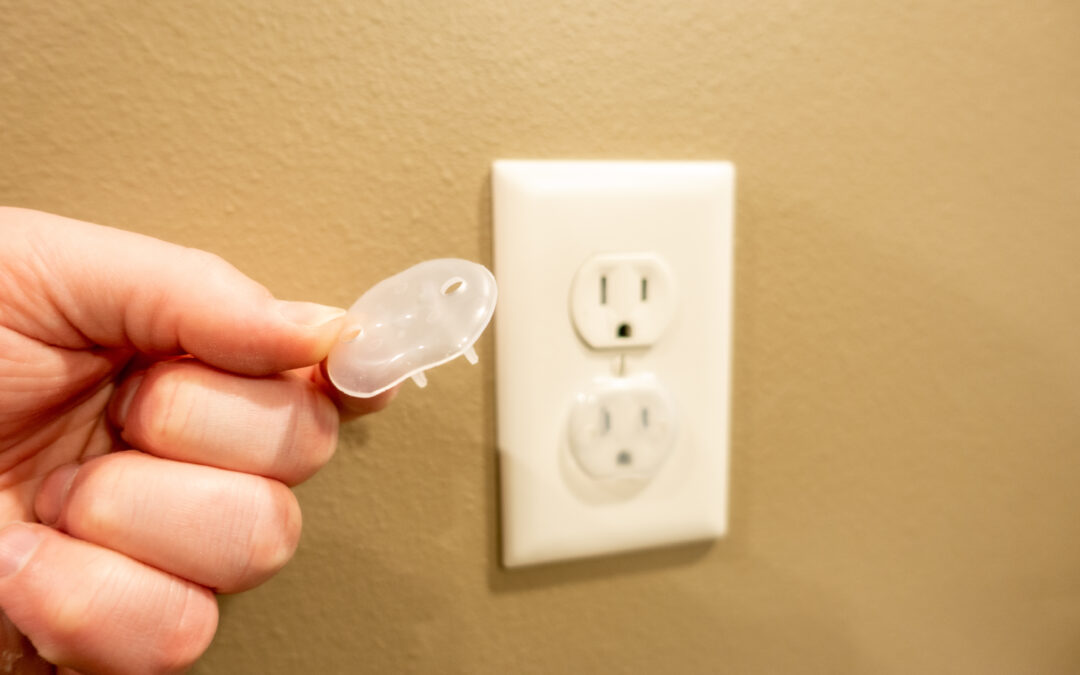
Plastic outlet covers have been around for decades. They’re cheap, widely available, and seem like an obvious solution. Significant limitations come with them that many homeowners discover too late, yet. How to remove them is often figured out by children, and busy parents sometimes forget to replace them after unplugging devices. Plus, choking hazards can be created by the covers themselves if left lying around.
Tamper-Resistant Receptacles: The Modern Standard
A significant improvement over traditional covers is represented by TR outlets. Internal shutters are built into these receptacles that remain closed unless equal pressure is applied to both slots simultaneously. They’re opened easily by normal plugs, but the mechanism won’t be triggered by single objects like keys or paperclips. Over the past decade the technology has been refined and is now required by electrical code in new construction across most of Canada.
GFCI Protection in Wet Areas
Unique electrical risks are presented by bathrooms, kitchens, and laundry rooms. Water and electricity don’t mix well, especially when curious children are involved. Critical protection is provided by GFCI outlets by monitoring electrical flow and cutting power instantly if a problem is detected. From what we’ve seen in Winnipeg homes, adequate GFCI protection in key areas is still lacking in many older properties.
Cord Management and Hidden Hazards
Additional risks that aren’t addressed by outlet protection are created by extension cords and appliance cords. Cords can be chewed on by children, pulled on, or used for climbing. Securing loose cords, using cord covers in high-traffic areas, and ensuring appliances are positioned safely is involved in proper cord management. These details are overlooked by many parents until they watch their toddler discover a dangling phone charger.
Professional Installation Considerations
More than basic DIY skills are required for installing TR receptacles and GFCI outlets. Proper function and safety must be ensured by doing the wiring correctly. Electrical updates to support modern safety features properly are needed in many cases for older Winnipeg homes. Your current system can be assessed by a qualified electrician and the most effective childproofing approach for your specific situation can be recommended.
Planning Your Electrical Safety Upgrade
High-risk areas throughout your home should be identified first. Outlets at child height should be focused on, especially in bedrooms, playrooms, and common areas. GFCI protection is needed by wet locations regardless of height. Your family’s specific needs and habits should be considered when planning upgrades. Whole-house approaches benefit some families, while targeted improvements in specific rooms are needed by others. The most important safety concerns are addressed first when a professional assessment is obtained, I suppose. A free quote for your electrical childproofing needs can be obtained by contacting Expert Electric.
FAQ
Q: Do tamper-resistant outlets really work better than plastic covers?
Look, the numbers don’t lie. Internal shutters are built into TR outlets that only open when equal pressure is applied to both slots simultaneously. Plastic covers get lost, forgotten, or are removed by determined toddlers. That still surprises people.
Q – What’s the difference between GFCI and regular outlets?
Electrical current flow is monitored by GFCI outlets and power gets shut off within milliseconds if an imbalance is detected. This protection isn’t provided by regular outlets. They’re required by code in wet areas like bathrooms and kitchens.
Q: Can I install these safety features myself?
Fair point to ask. Basic outlet covers are DIY-friendly, but proper wiring knowledge is required for tamper-resistant receptacles and GFCI outlets. Permits and professional installation are needed for most electrical work in Winnipeg anyway.
Q – How much does professional childproofing cost?
Your home’s size and current electrical setup determine costs. 15-20 TR receptacles plus 3-4 GFCI outlets might be needed in a typical Winnipeg home. Professional installation usually runs less than you’d expect.