
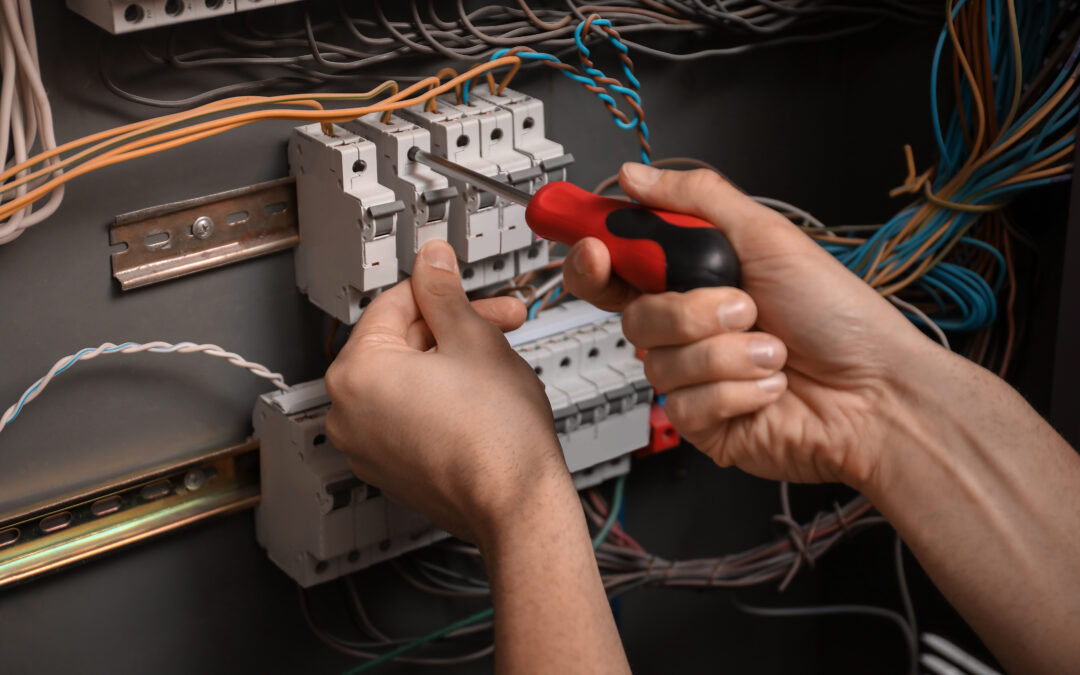
Understanding Your Panel’s Current Condition
A thorough assessment of what you’re working with is involved in the first step. Their age is shown by panels in different ways. Rust around the edges, warm spots on the cover, or that burning smell when the door is opened. Replacement rather than repair is pointed toward by these signs. Plus, if the original breakers from 20+ years ago are still used by your panel, hard work has been done by those components. Scorch marks inside their 1980s panel were recently discovered by a Winnipeg homeowner during a routine inspection. The damage wasn’t visible from the outside.
Age and Code Compliance Factors
Over time, electrical codes change; current safety standards often aren’t met by older panels. Modern safety features like AFCI protection are typically lacked by panels installed before 1990. Several times since then, Manitoba’s electrical code has been updated. Specific problems can be addressed by repairs, but current standards won’t be brought to an old system by them. When renovating, this challenge is frequently faced by building owners. Whether long-term financial sense is made by patching an outdated system becomes the question.
Cost Analysis: Short-term vs Long-term
Initially, repair costs seem attractive. $200-800 in most cases is run by replacing a few breakers or fixing loose connections. But temporary solutions are often what those fixes are, I suppose. More upfront cost is involved in panel replacement, roughly $1,500-4,000 depending on the complexity. However, warranties are come with by new panels and current codes are met. From what we’ve seen, additional issues within 2-3 years are often faced by homeowners who choose repairs. When multiple service calls are factored in, replacement starts being favored by the math.
Safety Considerations for Winnipeg Properties
More than cost should be what drives this decision by safety. Breaker failures are what certain panel brands like Federal Pacific or Zinsco are known for. Safe repair can’t be done to these units; replacement is what they need. Another layer of complexity is added by Winnipeg’s climate. Over time, electrical connections can be affected by temperature fluctuations. Corrosion in older panels is sometimes accelerated by moisture from basement humidity. This lesson was recently learned by a commercial building owner downtown when their 1970s panel failed during a cold snap.
When Repair Makes Sense
Well for newer panels with isolated problems is how repairs work. Without replacing the entire system, a single faulty breaker, loose wire, or minor corrosion can usually be fixed. This category is often fallen into by panels less than 15 years old. Ensuring the underlying system remains sound is the key. If multiple issues during inspection are found by your electrician, the equation is changed by that. Generally speaking, when the problem is clearly defined and current codes are met by the panel, sense is made by repairs.
Professional Assessment Process
More than a quick visual check is involved in getting a proper evaluation. Individual breakers are tested by licensed electricians, voltage is measured, and connections throughout the panel are inspected. Your home’s electrical load requirements will also be reviewed by them. More electricity than older systems were designed to handle is used by modern homes. 30-60 minutes are typically taken by this assessment and the information needed to make an informed decision is provided. As part of their initial consultation, this service is offered by many Winnipeg electricians. Interesting how that works.
Making the Final Decision
Safety, compliance, and long-term value are what the choice ultimately comes down to. If immediate risks are posed by your panel or current codes aren’t met by it, the clear choice is what replacement becomes. When specific, isolated issues in otherwise sound systems are being dealt with, repairs work. Your property’s age, your future electrical needs, and the total cost of ownership should be considered. The options can be walked through by a professional electrician and what makes sense for your situation can be helped to be understood by them. When you’re ready to move forward, the investment required is helped to be clarified by getting a free quote.
Mini-FAQ
Q: How do I know if my panel needs replacement or just repair? Rust, scorch marks, or frequently tripping breakers should be looked for. Age matters too. Different standards were often used to build panels installed before 1990. That still surprises people.
Q – Can I repair a Federal Pacific panel instead of replacing it? Repairs on these units won’t be recommended by most electricians. Breaker malfunctions are what they’re known for. Better safe than sorry.
Q: What’s the typical timeline for panel work in Winnipeg? 2-4 hours are usually taken by repairs. A full day can be taken by full replacements, sometimes longer if permits are needed. Indoor work doesn’t typically get affected by weather.
Q: Do I need permits for electrical panel work? Fair point. Permits might not be required by repairs, but they’re almost always needed for replacements. The paperwork is handled by your electrician in most cases.