
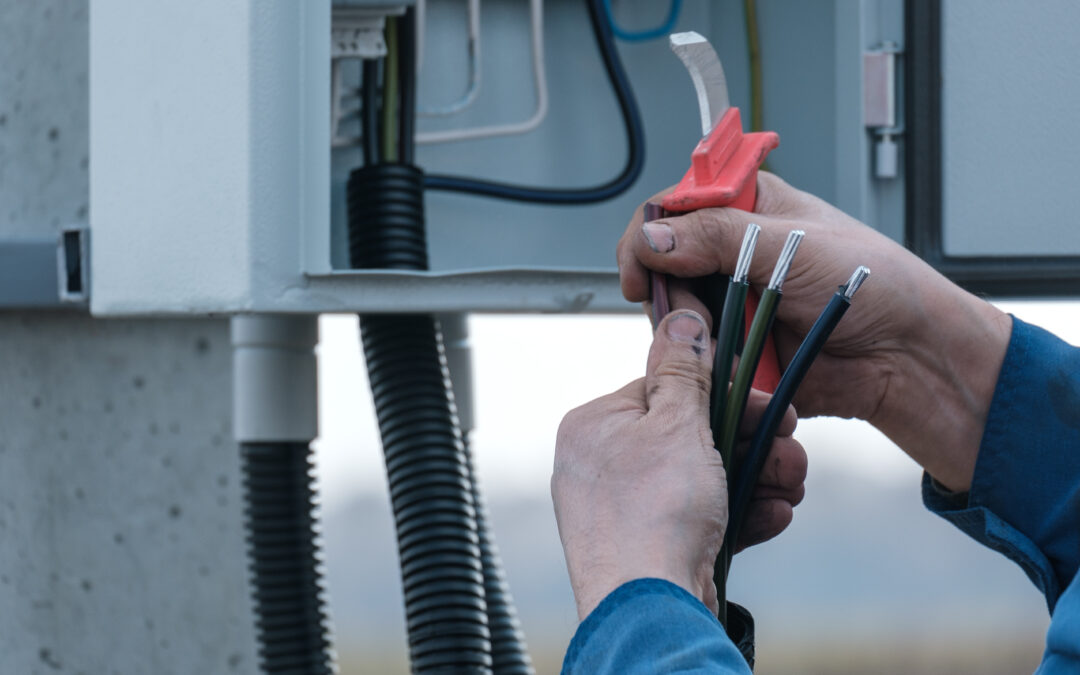
Understanding Aluminum Wiring Basics
During the 1960s copper shortage, aluminum became popular in residential wiring. Electricity is conducted well by the material itself and it costs less than copper. At connection points where different metals meet or where improper joining methods create loose contacts, problems arise. From what we’ve seen in Winnipeg homes, installation practices rather than the wire itself are what most aluminum wiring issues trace back to. Specialized connectors designed to handle the metal’s expansion characteristics are used by modern aluminum installations. Plus, the connection challenges that caused problems in earlier decades are addressed by current electrical codes.
Common Aluminum Wiring Problems
The biggest safety concerns with aluminum systems are generated by loose connections. When heated, the metal expands roughly 40% more than copper, which can gradually loosen wire nuts and terminal screws. Additional resistance and heat buildup are created by corrosion at junction points. Mixed aluminum and copper connections that weren’t properly joined with approved methods are had by many older Winnipeg homes. Yet at specific points rather than throughout the entire system, these issues are typically found. Problem areas before they become safety hazards are helped to be identified by regular inspection.
Code Compliance Requirements
Connection quality and proper materials for aluminum wiring systems are focused on by current Canadian Electrical Code standards. At all termination points, CO/ALR rated devices must be used. Specific approval for aluminum-to-copper connections is needed by wire nuts. Adequate space and proper grounding methods are required by junction boxes. According to available data, through targeted upgrades rather than complete replacement, most aluminum wiring can be brought up to code. All connections meeting current standards and being properly maintained over time is ensured as the key.
Professional Assessment Process
Connection points are examined by a qualified electrician, loose terminals are tested for, and insulation condition throughout the system is checked. Hot spots that indicate failing connections are often revealed by thermal imaging. Panel connections, outlet terminations, and junction box conditions are included in the assessment. Only minor upgrades to meet current safety standards are needed by their aluminum wiring, as many Winnipeg homeowners discover. However, more extensive work depending on age and maintenance history is required by some installations. For insurance purposes, I suppose, documentation from this assessment is usually required.
Upgrade Options and Costs
Less than complete rewiring while addressing the main safety concerns is typically cost by connection upgrades. Permanent aluminum-to-copper connections that eliminate expansion issues are provided by COPALUM crimping. Another code-compliant solution for most situations is offered by pigtailing with approved connectors. When insulation is damaged or when extensive problems are had by the existing system, complete rewiring becomes necessary. In many cases, the safety improvements they need without the expense of full replacement are provided by targeted upgrades, as homeowners find. Anyway, that’s usually where clarity becomes reached by the cost-benefit analysis for most property owners.
Getting Professional Help
Comprehensive aluminum wiring assessments for Winnipeg homeowners and building owners are provided by Expert Electric. Your system’s condition is evaluated by our certified electricians and the most cost-effective path to code compliance is recommended. Everything from simple connection upgrades to complete rewiring projects when necessary is handled by us. Don’t let aluminum wiring concerns keep you awake at night. A free quote today and ensure your electrical system meets current safety standards can be gotten.
FAQ:
Q: Does aluminum wiring automatically fail electrical inspections? Not necessarily. Inspection can be passed by aluminum wiring when proper connectors are used and connections are tight. Current CEC standards need to be met by the system, which focus on connection quality rather than wire material. Connector upgrades are just needed by many older installations.
Q – Can I get insurance with aluminum wiring? Fair point. Homes with aluminum wiring will be covered by most insurers, but a professional electrical certificate confirming the system is safe and up to code is typically required by them. Slightly higher premiums are charged by some companies. Documentation is key.
Q: What makes aluminum wiring connections fail? Look, aluminum expands and contracts more than copper when heated. Over time, connections can be loosened by this, creating resistance and heat buildup. The problem is compounded by improper connectors. That’s why special CO/ALR devices designed for aluminum’s properties are used by modern installations.
When should I consider complete rewiring instead of upgrades? Funny enough, complete rewiring isn’t always necessary. If good insulation is had by your aluminum wiring and the main runs are solid, targeted junction upgrades often work fine. However, full replacement might benefit homes with extensive damage or very old connection methods. That still surprises people.