
Understanding Your Lighting Options
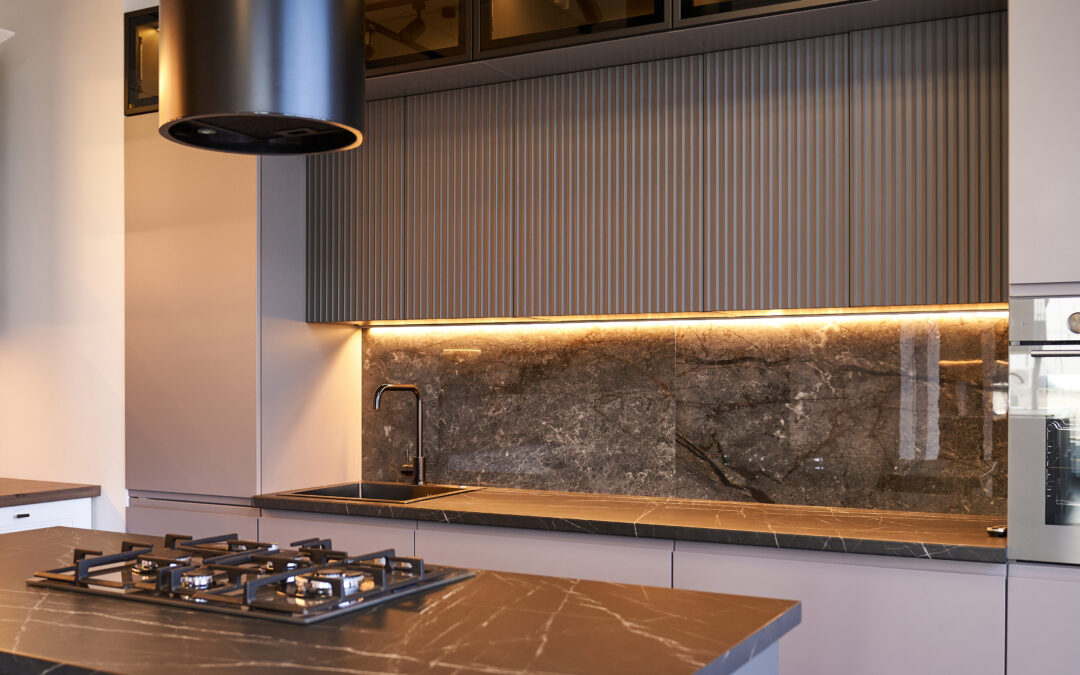
The under-cabinet market is dominated by LED strip lights for good reason. Consistent illumination without hot spots or dark patches between fixtures is provided by them. More focused beams are offered by puck lights, but careful spacing is required to avoid uneven coverage. Strips are gravitated toward by most Winnipeg homeowners because installation and maintenance are easier with them, I suppose. Plus, the zebra-stripe effect that multiple puck lights sometimes create on countertops gets eliminated by the continuous light source.
Power Supply Considerations
Direct connection to your home’s electrical panel through a wall switch is made by hardwired systems. A client in River Heights chose this approach because seamless integration with existing kitchen controls was wanted. Transformers that connect to standard outlets are used by plug-in systems; cord management becomes important though. Battery-powered options exist, enough brightness for serious task lighting typically isn’t provided by them though. Dedicated circuits benefit most installations to avoid overloading existing kitchen outlets.
Installation Complexity Factors
Installation difficulty is significantly impacted by cabinet construction. Easy drilling and wire routing are allowed by solid wood cabinets. Different mounting approaches and specialized drill bits are required by laminate or metal cabinets. Wire routing through cabinet backs to hide all electrical connections was involved in a recent project in Charleswood. The existing electrical infrastructure also matters, since outlet additions or circuit upgrades are needed by some homes before lighting installation can proceed.
Dimming and Control Integration
Versatility is added by dimmer switches, but compatible LED drivers are required. Standard dimmer switches don’t work with all LED strips; compatibility checking prevents flickering issues. Smartphone control and scheduling are allowed by smart home integration, though complexity to the installation process gets added. Basic on/off switches are started with by many homeowners, who upgrade controls later. From what we’ve seen, most lighting needs are satisfied by simple wall dimmers without overcomplicating the system.
Professional vs. DIY Installation
DIY projects for handy homeowners can be handled by plug-in systems with adhesive mounting. Electrical permits and licensed contractor work in Winnipeg are required by hardwired installations. GFCI protection for kitchen lighting circuits is required by the electrical code, which adds complexity to DIY approaches. Warranty coverage and code compliance are typically included with professional installation. Professional work is preferred by most building owners to avoid potential insurance issues down the road.
Cost and Timeline Expectations
$50-200 for basic LED strip kits to $300-500 for premium hardwired systems is the range for material costs. $150-400 gets added by labor, depending on installation complexity and electrical work required. 2-4 hours are taken by most projects for experienced electricians to complete. 1-2 weeks can be added to project timelines in Winnipeg by permit processing. Improved kitchen functionality and home value increases usually pay back the investment. Hard to explain sometimes.
Getting Started with Your Project
Measuring cabinet lengths and identifying power source locations is how planning begins. Whether hardwired or plug-in systems work better for your kitchen layout is influenced by existing outlet placement. Potential challenges before purchasing materials are helped to be identified by professional consultation. Seeing different lighting options in person before making final decisions benefits most homeowners. Ready to improve your kitchen’s lighting and functionality? Get a free quote from Expert Electric to explore your under-cabinet lighting options.
FAQ:
Q: What’s the difference between LED strips and puck lights? Continuous, even lighting along the entire cabinet length is provided by LED strips. Focused circles of light with gaps between fixtures are created by puck lights. General task lighting works better with strips, while more dramatic accent lighting is offered by pucks. That still surprises people.
Q – Do I need an electrician for under-cabinet lighting? Look, a licensed electrician in Winnipeg is definitely required by hardwired installations. DIY projects can be handled with plug-in systems if you’re comfortable with basic electrical work. Permits for permanent electrical additions are required by most building codes.
Q: How bright should under-cabinet lighting be? Fair point. 300-500 lumens per linear foot of counter space is typically needed by task lighting. Dimmer ambient lighting can be used at 150-250 lumens per foot. A big role is played by personal preference here.
Which LED color temperature works best for kitchens? Funny enough, task visibility with cozy ambiance is balanced by 3000K warm white. 4000K daylight for food prep areas is preferred by some homeowners. Your kitchen’s overall design scheme largely determines color temperature preference, which remains subjective.