
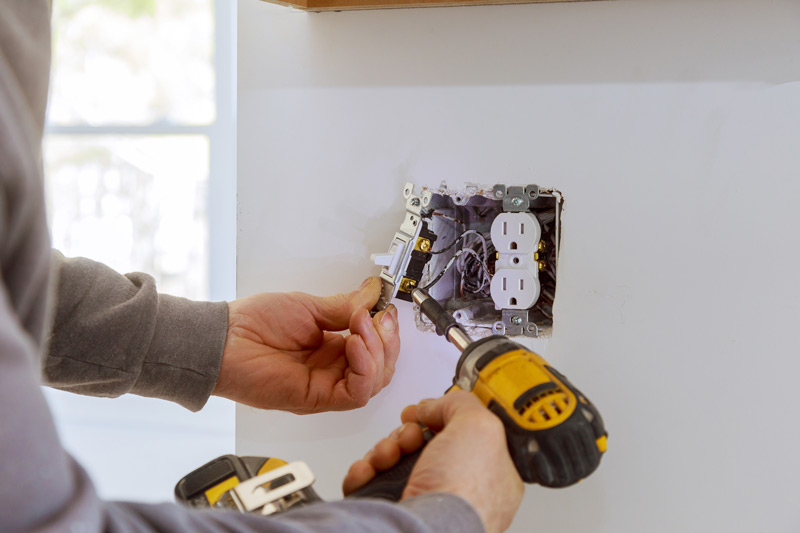
Understanding Basic Electrical Safety
Simple electrical tasks can be handled safely by most homeowners with proper preparation. Power should be turned off at the breaker; circuits must be tested with a voltage tester, and live wires should never be worked on. Most accidents are prevented by these basic steps. But electrical work involves more than just safety precautions. Building codes, permit requirements, and insurance implications are also being dealt with, things that many people overlook initially.
When DIY Makes Sense
Light fixtures, switches, and outlets can be replaced within most homeowners’ skill range. Existing wire connections are typically matched in these projects without new circuits being added. A Winnipeg homeowner recently told us every switch in his River Heights home had been replaced over a weekend. The work was straightforward because good condition was already maintained by the existing wiring. However, two switches that controlled multiple lights were discovered by him, which required different wiring approaches.
Projects That Require Professional Help
Licensed electricians are needed for panel upgrades, new circuit installation, and major appliance connections. Permits are required by Manitoba’s electrical code for this work; safety standards are ensured through inspections. Knob and tube wiring that needs complete replacement is often revealed by home rewiring winnipeg projects. Modern electrical loads weren’t designed to be handled by these older systems. Plus, professional installation documentation is frequently required by insurance companies for coverage.
The Hidden Complexity Factor
Unexpected complications can be involved in what looks simple on the surface. Outdated wiring, asbestos insulation, or structural issues might be revealed when a wall is opened to add an outlet. An electrician winnipeg homeowner called last month had started a simple outlet installation; aluminum wiring that needed professional assessment was found. The project scope expanded significantly from there. These possibilities are anticipated by experienced contractors, and plans are made accordingly.
Code Compliance and Permits
Most residential electrical work is governed by Manitoba’s electrical code. Permits and inspections are required for new circuits, panel modifications, and major installations. Homeowners are protected by the permit process through ensuring work meets safety standards. Documentation for insurance claims and future property sales is also provided. Specific requirements that vary from provincial standards are maintained by some municipalities. Anyway, that’s usually where it clicks for most homeowners.
Making the Right Choice
Your skill level, available time, and project complexity should be considered before deciding. Simple replacements using existing connections can usually be managed by experienced DIYers. But professional electricians should be involved in anything involving new circuits, panels, or code compliance. The cost difference often proves minimal when permits, tools, and potential rework are factored in. Ready to get started on your electrical project? A free quote can be obtained from Expert Electric today.
FAQ
Q: Can I replace a light switch myself?
A: Basic switch replacement is usually fine for homeowners. The breaker should be turned off, circuits tested with a voltage tester, and wire connections matched. That said, three-way switches or dimmer installations can get tricky.
Q – What about installing a new outlet?
A: New wire must be run through walls when outlets are added to existing circuits. Permits and professional installation are often needed for this work. Fair point though; replacing an existing outlet is typically straightforward.
Q: Is panel work ever a DIY project?
A: Licensed electricians should always handle panel work. The main panel connects directly to utility power, and mistakes can be fatal. That still surprises people.