
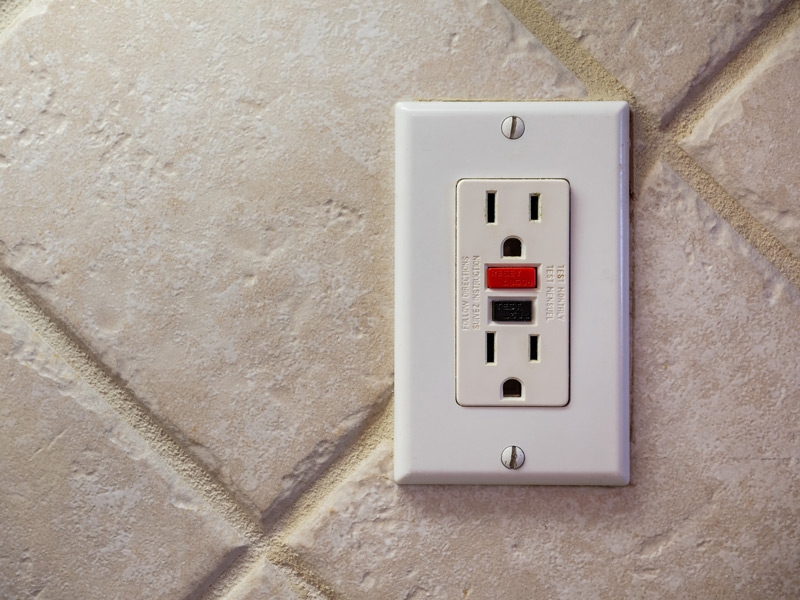
How GFCI Outlets Work
Electrical current flowing through hot and neutral wires is monitored by ground fault circuit interrupters. The outlet trips within milliseconds when current imbalance is detected. This happens because electricity always seeks the easiest path to ground.
A homeowner in Winnipeg recently discovered this firsthand; her bathroom outlet kept tripping whenever she used a hair dryer. Turns out, moisture had gotten into the appliance cord. The GFCI was doing exactly what it should.
Water and electricity might mix in certain areas where these outlets are particularly important. This protection benefits kitchens, bathrooms, and outdoor spaces.
Understanding AFCI Technology
Arc fault circuit interrupters work differently than their GFCI counterparts. Electrical waveforms are analyzed by them to identify the unique signatures of dangerous arcs. Normal electrical arcs occur when you flip a switch. Dangerous ones happen when wires are damaged or connections are loose.
Researchers studied electrical fires, and the technology was developed after this research. Many fires were traced back to arcing conditions that standard breakers couldn’t detect. That gap is filled by AFCI devices through monitoring for these specific fault patterns.
Installation typically happens at the breaker panel level; AFCI outlets are also available for specific circuits, though.
Where Each Type Is Required
GFCI protection in specific areas is mandated by Canadian electrical code. This protection is needed by bathrooms, kitchens, laundry rooms, and outdoor outlets. The reasoning is straightforward: these areas have higher moisture levels.
Bedrooms and living areas generally require AFCI protection. Fire prevention rather than shock prevention is focused on by the logic here. Lamps, electronics, and extension cords are powered by bedroom circuits that can develop dangerous arcing conditions over time.
Both types of protection are required by some areas. A kitchen island outlet, for example, might need GFCI protection for shock prevention and AFCI protection for fire safety.
Signs You Need Upgrades
Both GFCI and AFCI protection are often lacking in older electrical systems. GFCI outlets in required areas probably aren’t found in homes built before the 1980s. AFCI requirements are even more recent.
Arcing problems that AFCI protection would address can be indicated by frequent breaker trips. Warning signs that shouldn’t be ignored are outlets that feel warm or show scorch marks around the faceplate.
A building owner in downtown Winnipeg called us after noticing these exact symptoms. Several circuits with loose connections that were creating dangerous arcing conditions were revealed by the electrical inspection.
Installation Considerations
Both outlet types should be installed professionally, from what we’ve seen. Proper wiring connections are required by GFCI outlets to function correctly. Compatible electrical panels and proper circuit mapping are needed by AFCI devices.
Your existing electrical system determines cost variation. Simple outlet replacements are relatively affordable. Panel upgrades or circuit rewiring can be more involved.
Improved safety and insurance benefits typically allow the investment to pay for itself. Discounts for homes with updated electrical safety features are offered by many insurance companies.
Making the Right Choice for Your Property
Important safety functions in modern electrical systems are served by both GFCI and AFCI protection. Location, code requirements, and your specific safety concerns determine the choice between them.
Your current system can be assessed by a qualified electrician who will recommend appropriate upgrades. Your home’s age, existing wiring condition, and compliance with current electrical codes should be considered by this evaluation. When you’re ready to improve your electrical safety, Expert Electric can help you get a free quote for the protection your family deserves.
FAQ
Q: What’s the main difference between GFCI and AFCI outlets? Current flow is monitored by GFCI outlets, and power gets shut off when leakage to ground is detected. Electrical waveforms are analyzed by AFCI outlets to identify dangerous arcing conditions. Different problems, different solutions.
Q – Do I need both types in my home? Look, it depends on your electrical system’s age and local code requirements. GFCI protection in wet areas and AFCI protection in living spaces are required by most modern installations. What’s needed can be assessed by your electrician during an inspection.
Q: Can these outlets be installed in older homes? Fair point. Existing electrical systems can be retrofitted with both GFCI and AFCI outlets, though older wiring might need upgrades first. The installation process is usually straightforward for qualified electricians. That still surprises people.