
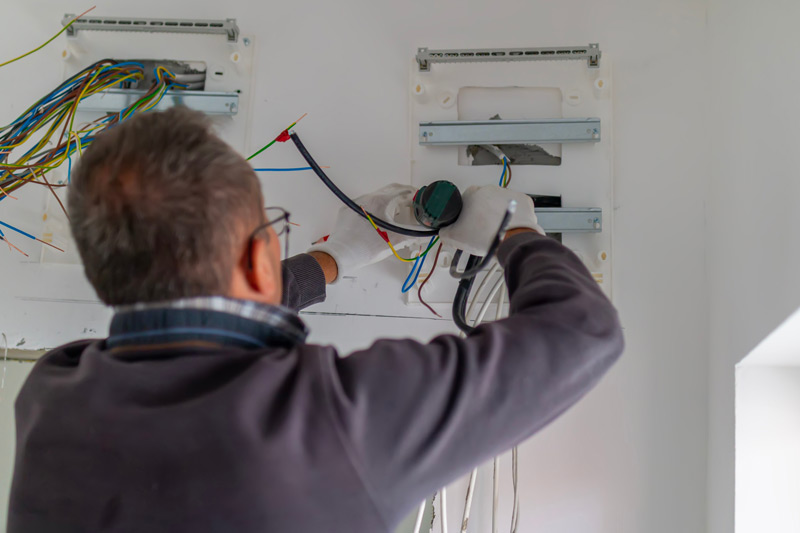
Assessing Your Current Electrical System
What you’re working with should be evaluated first. Electrical systems that need updating for modern demands are found in most Winnipeg homes built before 1980. The story gets told quickly by your main panel. Basic lighting and appliances might be handled by a 100-amp service, but electric vehicle charging, hot tubs, or multiple high-draw kitchen appliances simultaneously won’t be supported by it.
Special challenges are presented by knob and tube wiring. Through the 1940s, this older wiring system was installed in homes and lacks the grounding required by current codes. Its removal is often required by insurance companies. From what we’ve seen, $3,000-$8,000 gets added to electrical costs when knob and tube is discovered during renovation, depending on the home’s size.
Planning Your Lighting Layout
How your renovated space functions and feels gets shaped by lighting design. Specific lighting levels and switch locations are required by modern building codes. Task lighting over work areas, ambient lighting for general use, and accent lighting to highlight features are needed by kitchens. Separate circuits are typically run by each type.
LED fixtures should be considered early in planning. Less power is drawn by them, minimal heat gets generated, and they last significantly longer than traditional options. Fewer circuits can often be run by a well-planned LED system than older lighting would require. Plus, dimmer compatibility has improved dramatically over the past few years.
Outlet Placement and Circuit Requirements
More outlets than older electrical codes required are needed by today’s homes. 6-8 outlets on dedicated circuits are typically needed by kitchens alone. GFCI protection within six feet of water sources is required by bathrooms. Multiple outlets for computers, printers, and networking equipment are needed by home offices.
Thinking beyond current needs is the key. A home office might be what that spare bedroom becomes. A workshop could be housed by the basement. Far less is cost by planning extra circuits during renovation than adding them later. I suppose 20-30% more capacity than your immediate plans require is recommended by most electricians to be added.
Panel Upgrades and Service Capacity
The distribution hub for your home’s power is acted as by your electrical panel. The capacity and safety features required for modern living are often lacked by older panels. Known safety issues are had by Federal Pacific and Zinsco panels, common in homes from the 1960s-80s, and they should be replaced during major renovations.
The standard for most homes has become a 200-amp service. Electric vehicle charging, central air conditioning, electric water heaters, and modern kitchen appliances are supported by it without overloading circuits. Through improved safety and increased home value, the upgrade typically pays for itself.
Working with Building Codes and Permits
Current building codes must be met by electrical work, regardless of what existed previously. GFCI outlets in bathrooms and kitchens, AFCI breakers for bedroom circuits, and proper grounding throughout the system are meant by this. Code requirements change periodically, so compliance is ensured by working with a current electrician in Winnipeg.
At specific stages, permit inspections happen. After wiring is installed but before drywall goes up, rough-in inspection occurs. After fixtures are connected and the system is energized, final inspection happens. Your project gets delayed by failed inspections; getting it right the first time matters.
Timing and Coordination with Other Trades
After framing but before insulation and drywall, electrical rough-in typically happens. Coordination with plumbers, HVAC contractors, and general contractors is required by this timing. Changes after drywall installation become expensive quickly.
Running extra conduit for future needs is included by smart planning. Alongside electrical work, low-voltage wiring for security systems, networking, and smart home features often gets installed. The labor costs overlap, making it an efficient time to handle both. When you’re ready to move forward with your electrical planning, realistic budgets and timelines for your renovation project are helped to be established by getting a free quote.
Mini-FAQ
Q: When should I hire an electrician for renovation planning? Before demolition starts. Your existing panel capacity can be assessed by an electrician, and any knob and tube wiring that needs replacement can be identified. Surprises are prevented by early planning. That still surprises people.
Q – Do I need permits for electrical work during renovation? Permits are required by most electrical work, especially new circuits or panel upgrades. The permit applications and inspections are handled by your electrician. Fair point though.
Q: How much does electrical work typically cost in a renovation? 8-12% of total renovation costs are usually represented by electrical work. $2,000-$4,500 is the range for panel upgrades, while $300-$600 each is cost by new circuits. Depends on complexity.
Q Can I add outlets without rewiring the whole house? Often, yes. New circuits can be added from your existing panel if capacity allows. More extensive updates are needed by older homes with knob and tube wiring. Look, it varies significantly.