
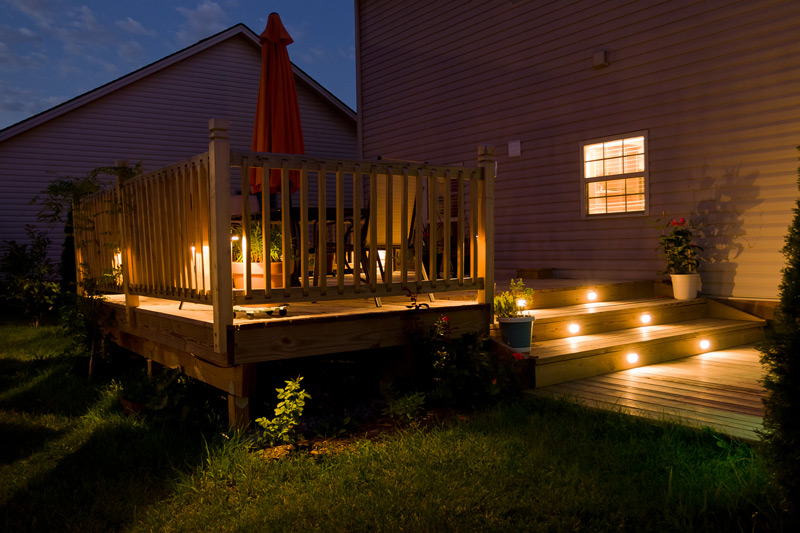
Planning Your Outdoor Lighting Layout
A basic security assessment of your property should be where you start. Obvious vulnerabilities are created by dark corners near entry points that proper lighting addresses effectively. A combination of area lighting for driveways and accent lighting for walkways benefits most Winnipeg homes. Balancing visibility with energy costs is what the key involves; LED technology has made this much more manageable than it used to be.
Electrical Safety Requirements
GFCI protection must be included in all outdoor circuits, either at the breaker panel or through GFCI outlets. Power is designed to be shut off by this protection when dangerous conditions are created by moisture. From what we’ve seen, adequate outdoor electrical infrastructure is often lacked by older homes. Panel upgrades to meet current electrical codes in Winnipeg are usually required when adding new circuits. Sometimes the existing service just isn’t up to the task.
Choosing the Right Fixtures and Voltage
Security lighting and main area illumination work well with line voltage systems. The fixtures tend to be brighter and separate transformers aren’t required by them. Pathway and accent lighting where softer illumination is preferred excel with low voltage systems. In our climate, weather ratings matter significantly. Fixtures rated for wet locations should be looked for, not just damp ones.
Installation Techniques and Common Mistakes
Specific burial depths and conduit types depending on the voltage used are required by underground wiring. Most DIY installations fail because connections aren’t properly waterproofed or wire gauges are undersized for the distances involved. When running long wire runs to distant fixtures, voltage drop calculations become critical. That’s usually where homeowners run into trouble, I suppose.
Transformer Sizing and Low Voltage Considerations
Properly sized transformers to handle the total wattage of connected fixtures are needed by low voltage systems. Premature failure and poor light output are caused by undersized transformers. The transformer location should be accessible for maintenance but weather protection is needed. Too far from the electrical panel is where many installations place them, creating additional voltage drop issues.
Maintenance and Troubleshooting
Less maintenance than traditional lighting is required by LED fixtures but periodic cleaning and connection checks are still needed. Through freeze-thaw cycles, connections can be loosened by Winnipeg’s harsh winters. Before they become safety hazards, problems are helped to be caught by annual inspections. Plus, their light output is maintained and their lifespan is extended significantly by keeping fixtures clean. Funny thing, really.
Professional Installation Benefits
Local codes, permit requirements, and proper installation techniques are understood by licensed electricians. Insurance is carried by them and warranties on their work are provided. For complex installations or when adding new circuits, fixing DIY mistakes later usually costs more than professional installation. Free quotes for outdoor lighting projects throughout Winnipeg are offered by Expert Electric. Get a Free Quote to ensure your outdoor lighting is installed safely and correctly.
Mini-FAQ:
Q: Do I need permits for outdoor lighting installation? Permits for new electrical circuits are required by most municipalities. Running power to detached garages, sheds, or extensive landscape lighting systems is included in that. Existing circuits with simple fixture replacements are typically exempt.
Q – What’s the difference between line voltage and low voltage systems? Your home’s standard 120V power is used directly by line voltage to fixtures. Through a transformer, low voltage steps down to 12V, which is considered safer around water and easier to install. Depending on the application, both have their place.
Q: Can I install outdoor lighting myself? Look, basic fixture swaps on existing circuits are manageable for most homeowners. A licensed electrician should be involved when running new circuits, installing transformers, or working with underground wiring. The permit process alone can be tricky to navigate. That still surprises people.
Q – How do I protect connections from moisture? Outdoor use is what weatherproof wire nuts and junction boxes are designed specifically for. When exposed to moisture, regular electrical components will fail, even inside what appears to be a sealed fixture.