
Understanding the Inspection Process
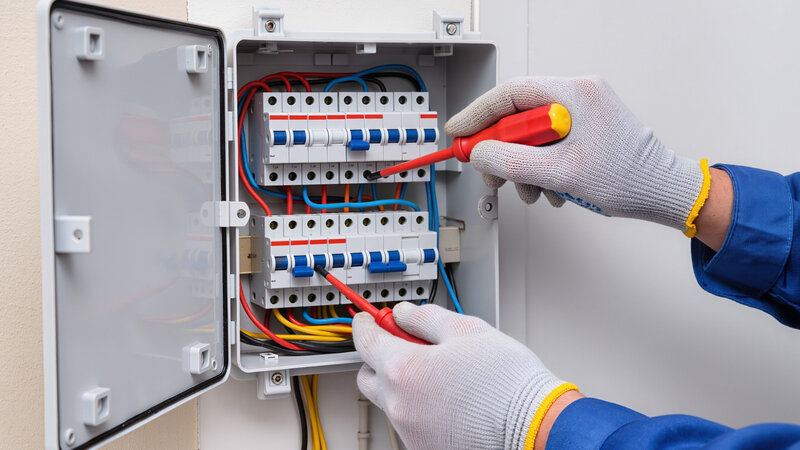
Established protocols are followed by electrical inspections in Winnipeg that ensure your home meets current safety standards. A visual assessment of your electrical panel and service entrance begins the process. The condition of breakers, wiring connections, and grounding systems is examined by inspectors. From what we’ve seen, the most significant issues are often revealed by this initial evaluation; that makes sense when electrical demand has increased so much over the years.
Panel and Service Entrance Evaluation
The heart of your home’s electrical system is served by your electrical panel. Proper labeling, adequate capacity, and signs of overheating or corrosion are checked by inspectors. Potential replacement is flagged for older panels with outdated breakers. Damage or improper installation is examined in service entrance cables. In many cases, I suppose, panel upgrades are required by homes built before 1980 to handle modern electrical loads safely.
Wiring System Assessment
All accessible wiring throughout your property is covered by the inspection. Special attention is received by knob and tube systems, common in older Winnipeg homes, due to safety concerns. Proper wire sizing, secure connections, and appropriate routing through walls and ceilings are looked for by inspectors. Aluminum wiring, if present, is evaluated for compatibility with current fixtures and outlets. Most wiring issues aren’t immediately visible, though.
Outlet and Switch Testing
Proper operation and grounding is tested in every outlet and switch. GFCI outlets in bathrooms, kitchens, and outdoor areas are checked for functionality. That outlets are properly wired and securely mounted is verified by inspectors. Safety concerns are identified by three-prong outlets without proper grounding. Plus, adequate outlet spacing according to current electrical codes is checked by them.
Safety Device Verification
Smoke detectors, carbon monoxide alarms, and other safety devices are tested during the inspection. Proper placement and interconnection of these devices is verified. That safety systems meet current code requirements is ensured by inspectors. Additional detectors or upgraded interconnected systems are often needed by older homes. That’s where many homeowners discover they’re not fully protected.
Common Issues and Recommendations
Minor code violations or maintenance needs are revealed by most inspections. Loose connections, missing cover plates, and improper wire splicing are frequently found. Attention is required by overloaded circuits and inadequate grounding systems in many older properties. Detailed reports with prioritized recommendations for addressing identified issues are provided by inspectors. Anyway, that’s usually where property owners start planning their electrical updates.
Preparing for Your Inspection
Efficient work by inspectors is helped by clear access to your electrical panel and all rooms. Stored items should be removed from around the panel area, and all areas of your home should be accessible. Any obvious problems can be identified by testing your outlets beforehand. Valuable context for inspectors can be provided by having your electrical history available. When you’re ready to address any issues found, a free quote for necessary repairs or upgrades can be provided by Expert Electric.
FAQ
Q: How long does a typical electrical inspection take? Most residential inspections are completed within 2-3 hours. Additional time may be required by older homes with complex wiring systems. That still surprises people.
Q – What areas do inspectors focus on first? Look, they start with the main electrical panel and service entrance. Grounding systems and bonding connections are evaluated next. Safety devices like GFCI outlets get checked throughout the process.
What happens if code violations are found? Fair point. Violations are documented in a detailed report with recommended corrections. Minor issues can often be addressed quickly. Major problems might require rewiring or panel upgrades.
Do I need to be present during the inspection? Funny enough, it’s not required but recommended. Being available helps inspectors access all areas. Plus you can ask questions about any concerns they identify.