
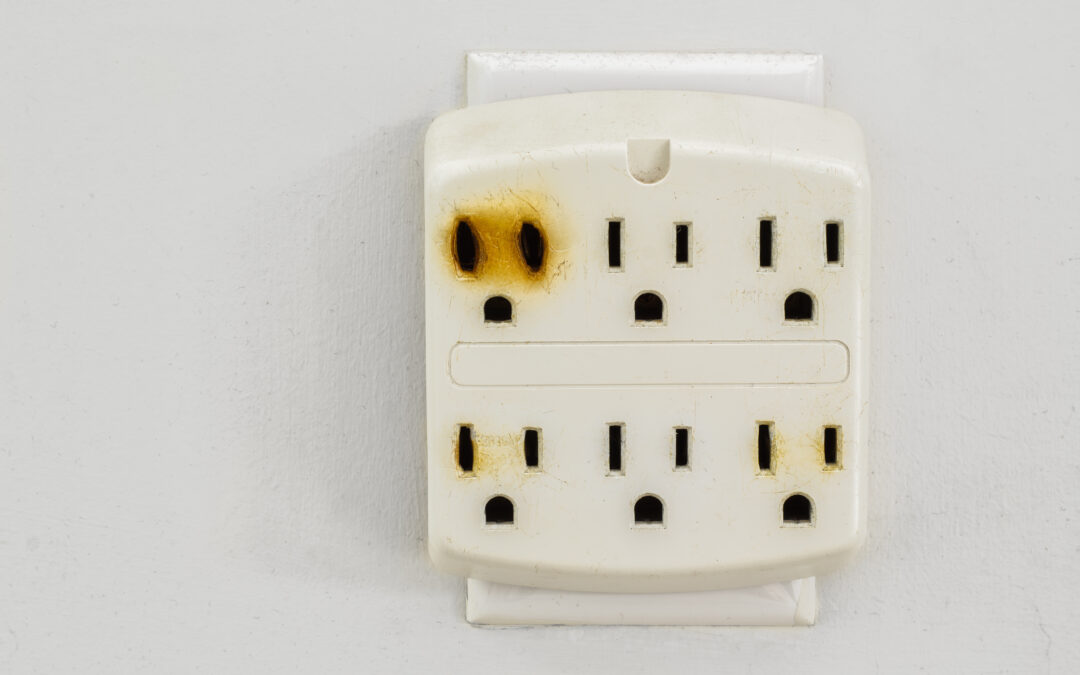
Hot Outlets Signal Serious Electrical Problems
Something’s wrong with your electrical system when an outlet feels hot. Excessive resistance somewhere in the circuit is indicated by the heat, which forces electricity to convert into thermal energy instead of flowing smoothly to your devices. This isn’t a minor maintenance issue, to be fair.
Hot outlets are discovered by most Winnipeg homeowners during routine use, often when unplugging a device or checking an outlet that’s been acting up. The warmth might seem harmless at first; it represents a fire hazard that requires immediate attention from a qualified electrician.
Common Causes Behind Overheating Outlets
Outlet overheating is contributed to by several factors, and they’re often interconnected. The list is topped by overloaded circuits, especially in older homes where electrical demands have increased significantly since the original installation. The wiring struggles to handle the load when you plug too many devices into one circuit.
Another major problem is created by loose wire connections. Connections can work themselves loose due to thermal expansion and contraction, vibration, or simply age over time. Resistance is generated by these loose connections, which produces heat. Plus, overheating can be caused by faulty outlets themselves when internal components deteriorate.
Why Age Matters in Winnipeg Homes
Many properties built between 1950 and 1980 are included in Winnipeg’s housing stock, when electrical codes were different and household power demands were much lower. Knob and tube wiring or early aluminum wiring that wasn’t designed for today’s electrical loads is often found in these homes.
Electrical connections can also be affected by the freeze-thaw cycles common in Manitoba over time. Materials are caused to expand and contract by temperature fluctuations, potentially loosening connections that were properly installed decades ago. Higher rates of outlet-related electrical issues are shown by homes built before 1970, from what we’ve seen. Interesting how that works.
Immediate Safety Steps When You Find a Hot Outlet
The outlet should be stopped from being used immediately and any connected devices unplugged. The circuit breaker that controls that outlet should be turned off, which can usually be identified by testing outlets systematically while someone watches the breaker panel. The outlet cover shouldn’t be attempted to be removed or investigated further.
Other outlets on the same circuit should be checked for similar heat issues. Multiple outlets are sometimes affected by the problem, particularly if they’re connected to the same overloaded circuit. Which outlets are affected should be documented and avoided until a professional electrician can assess the situation.
Professional Diagnosis and Repair Options
The circuit will be tested by a qualified electrician with specialized equipment to measure current flow, voltage, and resistance. Connections behind the outlet will also be inspected, and the circuit breaker checked for signs of overheating or damage. Whether the issue stems from the outlet itself, the wiring, or circuit overload is typically revealed by this diagnostic process.
The root cause determines how repair options vary. Tightening connections or replacing a faulty outlet might be involved in simple fixes, while circuit rewiring or electrical panel upgrades could be required by more complex problems. Updating the entire circuit to meet current electrical codes will be recommended by the electrician in many cases. Sometimes, anyway.
When to Call Expert Electric for Professional Help
You shouldn’t wait if a hot outlet has been discovered in your Winnipeg property. Electrical fires can develop quickly; the greater the risk becomes the longer you delay professional inspection. Thorough electrical diagnostics are provided by Expert Electric and same-day service for urgent safety concerns can usually be scheduled.
The unique challenges facing Winnipeg homeowners are understood by our team, from aging electrical systems to the demands of modern appliances and devices. Your entire electrical system will be assessed by us, not just the problematic outlet, to ensure your property remains safe and code-compliant. Get a free quote today and protect your investment from electrical hazards.
FAQ:
Q: Can I keep using a slightly warm outlet? No. Abnormal resistance that will likely worsen over time is indicated by even mild warmth. Power to that outlet should be shut off until a professional can diagnose the issue; the safest approach involves this step. Not worth the risk.
Q – What causes outlets to overheat in the first place? Look, this problem is contributed to by several factors. Too many high-wattage devices create overloaded circuits, deteriorated wire connections, or outlets nearing the end of their service life. Sometimes improper installation years earlier is what the issue gets traced back to.
Q: How quickly can a hot outlet start a fire? Fair point to ask. Surrounding materials can be ignited by overheated outlets within hours under the right conditions, though the timeline varies significantly based on the severity of the electrical fault and nearby combustible materials. That still surprises people.